
 Deutschland
 France
 Nederland
 Great Britain
 Sverige
 Danmark
 Suomi
Suomi Italia
 Polska
 Česko
Česko España
VS
Hyundai IONIQ 5 vs Volvo XC60 sammenligning
Sammenlign ydelse (229 HK vs 406 HK), bagagerum og pris (396.100 kr. vs 532.800 kr. ) på et øjeblik. Find ud af, hvilken bil der er det bedste valg for dig – Hyundai IONIQ 5 eller Volvo XC60?
Hyundai IONIQ 5 vs Volvo XC60: de vigtigste forskelle
Alle detaljer om ydelse, forbrug, rækkevidde og bagagerum finder du i den tekniske sammenligning nedenfor – her kan du også læse brugeranmeldelser af begge modeller.
IONIQ 5
Omkostninger og forbrug:
Pris og effektivitet er ofte de første kriterier ved bilkøb. Her ser man, hvilken model der bedst kan betale sig på længere sigt – både ved tankning, opladning og indkøb.
Hyundai IONIQ 5 er mærkbart billigere – den starter allerede ved 396.100 kr. , mens Volvo XC60 koster 532.800 kr. . Forskellen er omkring 136.662 kr..
Hvad angår elektrisk rækkevidde, klarer Hyundai IONIQ 5 sig klart bedre: den kan køre op til 570 km, cirka 491 km mere end Volvo XC60.
XC60
Motor og ydeevne:
Effekt, drejningsmoment og acceleration siger meget om, hvordan en bil føles i hverdagen. Her ser man, hvem der leverer mest køreglæde.
Når det gælder motorkraft, har Volvo XC60 klart mere effekt – 406 HK mod 229 HK. Det svarer til en forskel på cirka 177 HK.
I acceleration fra 0 til 100 km/h er Volvo XC60 betydeligt hurtigere – den klarer sprinten på 4,9 s, mens Hyundai IONIQ 5 bruger 7,5 s. Det er cirka 2,6 s hurtigere.
Der er også forskel på drejningsmomentet: Volvo XC60 trækker klart kraftigere med 669 Nm mod 350 Nm. Forskellen er omkring 319 Nm.
IONIQ 5
Plads og praktiske egenskaber:
Udover rå ydeevne handler hverdagen mest om komfort og anvendelighed. Her afgøres det, hvilken bil der er mest praktisk og alsidig.
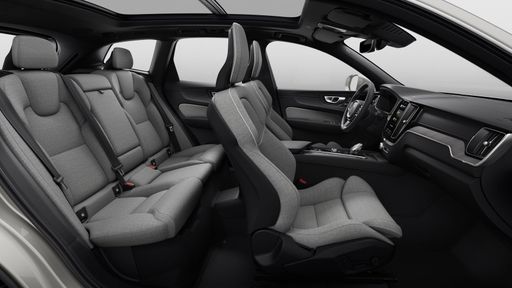
Begge biler har plads til 5 personer.
Hvad angår egenvægt, er Hyundai IONIQ 5 let lettere – 1.955 kg mod 2.150 kg. Forskellen er cirka 195 kg.
I lasteevne klarer Hyundai IONIQ 5 sig let bedre – 530 kg mod 510 kg. Forskellen er omkring 20 kg.
Hvem vinder løbet i datatjekket?
Hyundai IONIQ 5 vinder solidt i den objektive datasammenligning.
Denne vurdering viser kun, hvilken model der scorer flest point på papiret – ikke hvilken af de to biler der føles rigtig for dig.
fra 396.100 kr.
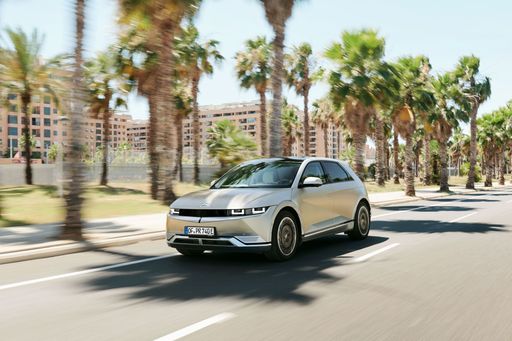
Hyundai IONIQ 5
Hyundai IONIQ 5
Volvo XC60
Omkostninger og forbrug
Se detaljeret analyse
Se detaljeret analyse
Motor og ydeevne
Se detaljeret analyse
Se detaljeret analyse
Dimensioner og karrosseri
Se detaljeret analyse
Se detaljeret analyse
Hyundai IONIQ 5
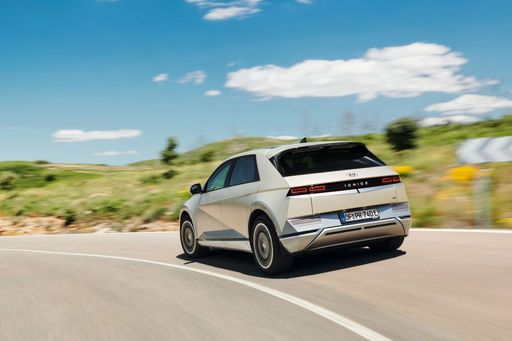
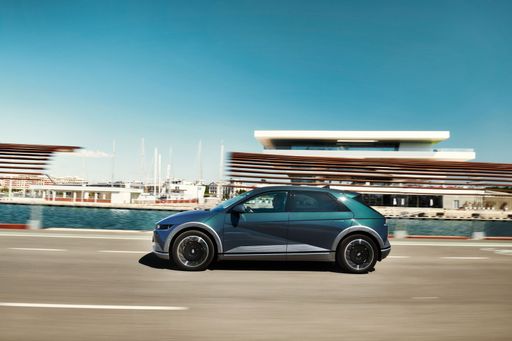
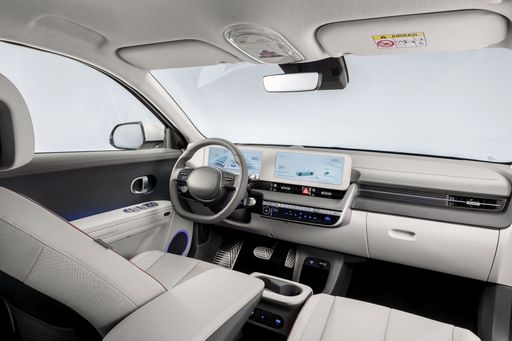
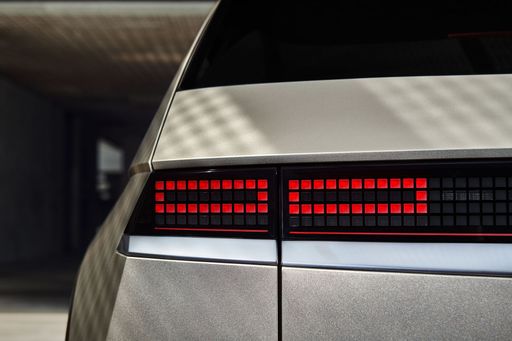
Hyundai Ioniq 5 føles som en frisk, fremtidsklædt familiebil, der kombinerer minimalistisk æstetik med overraskende rummelighed og praktisk sans. Den leverer ro på længere ture, smart brugervenlig teknologi og et design, der får nysgerrige blikke uden at tømme sparegrisen.
Detaljer
Volvo XC60
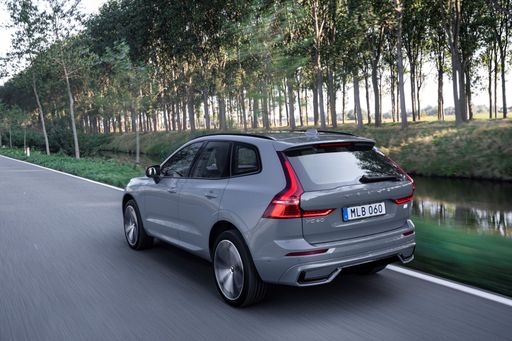
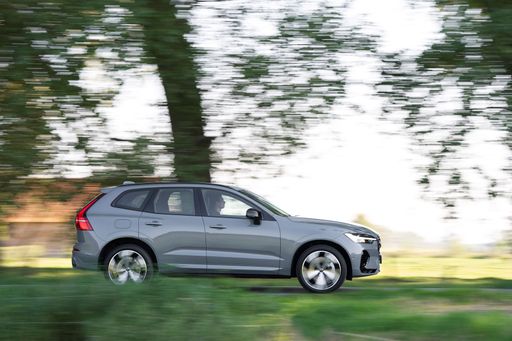
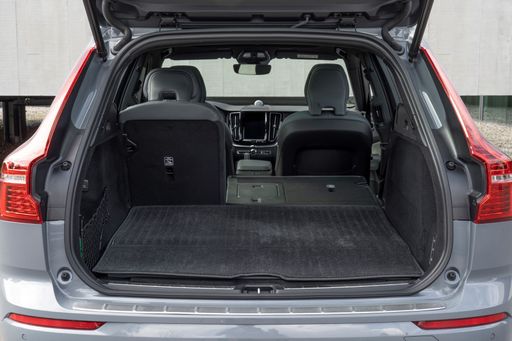
Volvo XC60 er en elegant og komfortabel SUV, der kombinerer skandinavisk design med et klart fokus på sikkerhed og brugervenlighed. Den giver en rolig og behagelig køreoplevelse, praktisk plads til hverdagen og en solid, velbygget fornemmelse.
Detaljer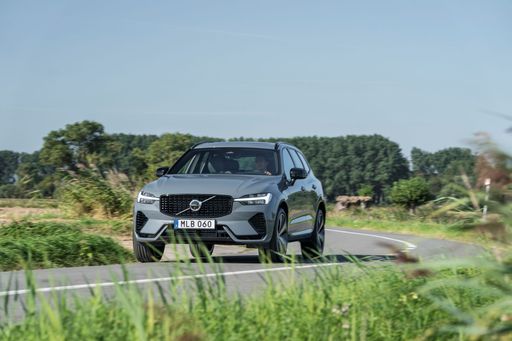
Hyundai IONIQ 5
Volvo XC60
Omkostninger og forbrug |
|
|---|---|
|
Pris
396.100 - 421.600 kr.
|
Pris
532.800 - 652.700 kr.
|
|
Forbrug L/100km
-
|
Forbrug L/100km
1,6 L/100km
|
|
Forbrug kWh/100km
15,6 - 16 kWh/100km
|
Forbrug kWh/100km
-
|
|
Elektrisk rækkevidde
440 - 570 km
|
Elektrisk rækkevidde
79 km
|
|
Batterikapacitet
-
|
Batterikapacitet
-
|
|
co2
0 g/km
|
co2
59 g/km
|
|
Tankkapacitet
-
|
Tankkapacitet
-
|
Dimensioner og karrosseri |
|
|---|---|
|
Karrosseri
SUV
|
Karrosseri
SUV
|
|
Sæder
5
|
Sæder
5
|
|
Døre
-
|
Døre
-
|
|
Egenvægt
1.955 - 2.060 kg
|
Egenvægt
2.150 kg
|
|
Bagagerumskapacitet
520 L
|
Bagagerumskapacitet
-
|
|
Længde
-
|
Længde
-
|
|
Bredde
1.890 mm
|
Bredde
1.902 mm
|
|
Højde
-
|
Højde
-
|
|
Maksimal bagagerumskapacitet
-
|
Maksimal bagagerumskapacitet
-
|
|
Lastkapacitet
515 - 530 kg
|
Lastkapacitet
510 kg
|
Motor og ydeevne |
|
|---|---|
|
Motortype
Elektrisk
|
Motortype
Plugin-hybrid
|
|
Transmission
Automatisk
|
Transmission
Automatisk
|
|
Transmissionsdetaljer
Reduktionsgear
|
Transmissionsdetaljer
Automatgearkasse
|
|
Drivtype
Baghjulstræk
|
Drivtype
Firehjulstræk
|
|
Effekt HK
170 - 229 HK
|
Effekt HK
335 - 406 HK
|
|
Acceleration 0-100 km/h
7,5 - 8,5 s
|
Acceleration 0-100 km/h
4,9 - 5,7 s
|
|
Maks. hastighed
-
|
Maks. hastighed
-
|
|
Moment
350 Nm
|
Moment
589 - 669 Nm
|
|
Antal cylindre
-
|
Antal cylindre
4
|
|
Effekt kW
125 - 168 kW
|
Effekt kW
247 - 299 kW
|
|
Motorstørrelse
-
|
Motorstørrelse
1.969 cm3
|
Generelt |
|
|---|---|
|
Modelår
2025
|
Modelår
2026
|
|
CO2-effektivitetsklasse
A
|
CO2-effektivitetsklasse
B
|
|
Mærke
Hyundai
|
Mærke
Volvo
|
DriveDuel bruger dataanalyse og kunstig intelligens til at analysere køretøjsdata og skabe indhold. Indholdet gennemgås og forbedres regelmæssigt.
De viste priser er estimater baseret på tyske listepriser, justeret efter momsen i det pågældende land. Landespecifikke registreringsafgifter er ikke inkluderet. Disse oplysninger er ikke juridisk bindende.