
 Deutschland
 France
 Nederland
 Great Britain
 Sverige
 Danmark
 Suomi
Suomi Italia
 Polska
 Česko
Česko España
VS
Hyundai Kona vs Lexus UX sammenligning
Sammenlign ydelse (204 HK vs 199 HK), bagagerum og pris (215.500 kr. vs 354.200 kr. ) på et øjeblik. Find ud af, hvilken bil der er det bedste valg for dig – Hyundai Kona eller Lexus UX?
Hyundai Kona vs Lexus UX: de vigtigste forskelle
Alle detaljer om ydelse, forbrug, rækkevidde og bagagerum finder du i den tekniske sammenligning nedenfor – her kan du også læse brugeranmeldelser af begge modeller.
Kona
Omkostninger og forbrug:
Pris og effektivitet er ofte de første kriterier ved bilkøb. Her ser man, hvilken model der bedst kan betale sig på længere sigt – både ved tankning, opladning og indkøb.
Hyundai Kona er klart billigere – den starter allerede ved 215.500 kr. , mens Lexus UX koster 354.200 kr. . Forskellen er omkring 138.700 kr..
Der ses også en forskel i brændstofforbrug: Hyundai Kona nøjes med 4,6 L/100km og er dermed let mere økonomisk end Lexus UX, der bruger 5 L/100km. Forskellen er omkring 0,4 L/100km.
UX
Motor og ydeevne:
Effekt, drejningsmoment og acceleration siger meget om, hvordan en bil føles i hverdagen. Her ser man, hvem der leverer mest køreglæde.
Når det gælder motorkraft, har Hyundai Kona knap mere effekt – 204 HK mod 199 HK. Det svarer til en forskel på cirka 5 HK.
I acceleration fra 0 til 100 km/h er Lexus UX knap hurtigere – den klarer sprinten på 7,9 s, mens Hyundai Kona bruger 8,1 s. Det er cirka 0,2 s hurtigere.
Kona
Plads og praktiske egenskaber:
Familievenlig eller hverdagens følgesvend – hvem tilbyder mest plads, fleksibilitet og komfort?
Begge biler har plads til 5 personer.
Hvad angår egenvægt, er Hyundai Kona minimalt lettere – 1.370 kg mod 1.495 kg. Forskellen er cirka 125 kg.
Når det kommer til bagagerumsplads, tilbyder Hyundai Kona mærkbart mere plads – 466 L mod 320 L. Forskellen er omkring 146 L.
I lasteevne klarer Lexus UX sig tydeligt bedre – 615 kg mod 490 kg. Forskellen er omkring 125 kg.
Hvem vinder løbet i datatjekket?
Hyundai Kona vinder duellen tydeligt i den objektive datasammenligning.
Denne vurdering viser kun, hvilken model der scorer flest point på papiret – ikke hvilken af de to biler der føles rigtig for dig.
fra 215.500 kr.
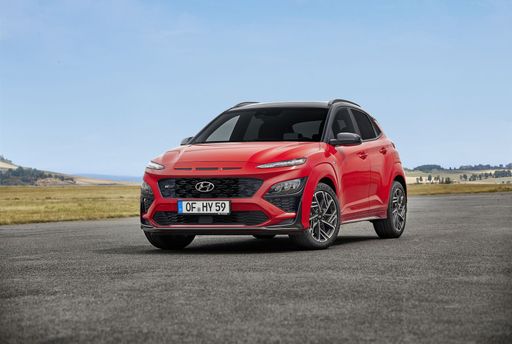
Hyundai Kona
Hyundai Kona
Lexus UX
Omkostninger og forbrug
Se detaljeret analyse
Se detaljeret analyse
Motor og ydeevne
Se detaljeret analyse
Se detaljeret analyse
Dimensioner og karrosseri
Se detaljeret analyse
Se detaljeret analyse
Hyundai Kona
Hyundai Kona er en kompakt og alsidig crossover, der passer godt til bykørsel og dagligdagens praktiske behov. Den skiller sig ud med et moderne design, praktiske løsninger indeni og en kørefornemmelse, der føles tryg og komfortabel.
Detaljer
Lexus UX
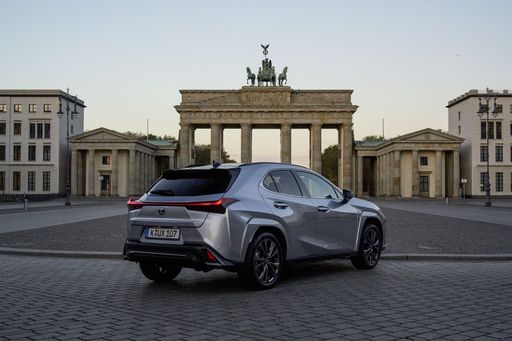
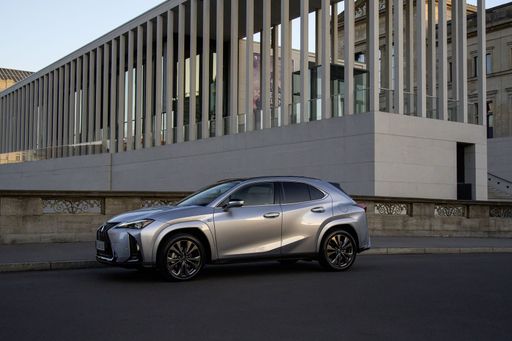
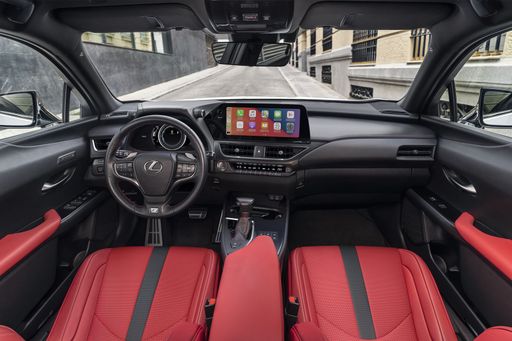
Lexus UX er en kompakt luksus-crossover med stramt, kantet design og et inderom, der føles solidt og velafstemt — ren japansk håndværk med et klart premium-præg. Bag rattet er den mere komfortorienteret end sportslig; den glider lydløst gennem byens gader og føles som en trofast, lavmælte ledsager for dem, der vil have komfort og kvalitet uden unødvendigt drama.
Detaljer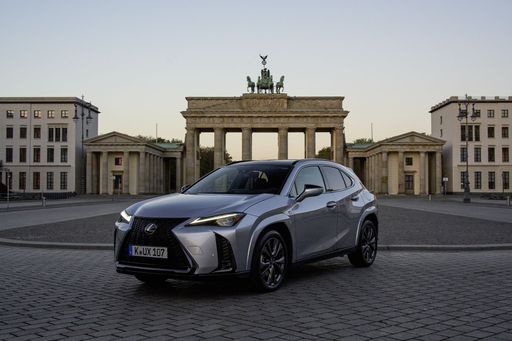
Hyundai Kona
Lexus UX
Omkostninger og forbrug |
|
|---|---|
|
Pris
215.500 - 383.500 kr.
|
Pris
354.200 - 494.500 kr.
|
|
Forbrug L/100km
4,6 - 7 L/100km
|
Forbrug L/100km
5 - 5,6 L/100km
|
|
Forbrug kWh/100km
14,6 - 16,1 kWh/100km
|
Forbrug kWh/100km
-
|
|
Elektrisk rækkevidde
380 - 510 km
|
Elektrisk rækkevidde
-
|
|
Batterikapacitet
-
|
Batterikapacitet
-
|
|
co2
0 - 163 g/km
|
co2
113 - 127 g/km
|
|
Tankkapacitet
-
|
Tankkapacitet
-
|
Dimensioner og karrosseri |
|
|---|---|
|
Karrosseri
SUV
|
Karrosseri
SUV
|
|
Sæder
5
|
Sæder
5
|
|
Døre
-
|
Døre
-
|
|
Egenvægt
1.370 - 1.773 kg
|
Egenvægt
1.495 - 1.555 kg
|
|
Bagagerumskapacitet
466 L
|
Bagagerumskapacitet
283 - 320 L
|
|
Længde
-
|
Længde
-
|
|
Bredde
1.825 mm
|
Bredde
1.840 mm
|
|
Højde
-
|
Højde
-
|
|
Maksimal bagagerumskapacitet
-
|
Maksimal bagagerumskapacitet
-
|
|
Lastkapacitet
420 - 490 kg
|
Lastkapacitet
555 - 615 kg
|
Motor og ydeevne |
|
|---|---|
|
Motortype
Benzin, Fuld hybrid, Elektrisk
|
Motortype
Fuld hybrid
|
|
Transmission
Manuel, Automatisk
|
Transmission
Automatisk
|
|
Transmissionsdetaljer
Manuel gearkasse, Automatisk dobbeltkobling, Reduktionsgear
|
Transmissionsdetaljer
CVT
|
|
Drivtype
Forhjulstræk, Firehjulstræk
|
Drivtype
Forhjulstræk, Firehjulstræk
|
|
Effekt HK
115 - 204 HK
|
Effekt HK
199 HK
|
|
Acceleration 0-100 km/h
8,1 - 11,9 s
|
Acceleration 0-100 km/h
7,9 - 8,1 s
|
|
Maks. hastighed
-
|
Maks. hastighed
-
|
|
Moment
200 - 265 Nm
|
Moment
-
|
|
Antal cylindre
3 - 4
|
Antal cylindre
4
|
|
Effekt kW
85 - 150 kW
|
Effekt kW
146 kW
|
|
Motorstørrelse
998 - 1.598 cm3
|
Motorstørrelse
1.987 cm3
|
Generelt |
|
|---|---|
|
Modelår
2025
|
Modelår
2025
|
|
CO2-effektivitetsklasse
D, C, E, F, A
|
CO2-effektivitetsklasse
C, D
|
|
Mærke
Hyundai
|
Mærke
Lexus
|
DriveDuel bruger dataanalyse og kunstig intelligens til at analysere køretøjsdata og skabe indhold. Indholdet gennemgås og forbedres regelmæssigt.
De viste priser er estimater baseret på tyske listepriser, justeret efter momsen i det pågældende land. Landespecifikke registreringsafgifter er ikke inkluderet. Disse oplysninger er ikke juridisk bindende.